
trenfeld Logo Trenfeld Contact Us
Contact Us

Our Watercolour Journey in Brno

Teaching landscape painting with authentic techniques

Trenfeld s.r.o. connects aspiring artists with the timeless practice of watercolour landscape painting. We're based in Brno, drawing inspiration from the beautiful Moravian landscapes that surround us. Our courses focus on real skills: colour mixing that works, composition principles that matter, and techniques you'll actually use.

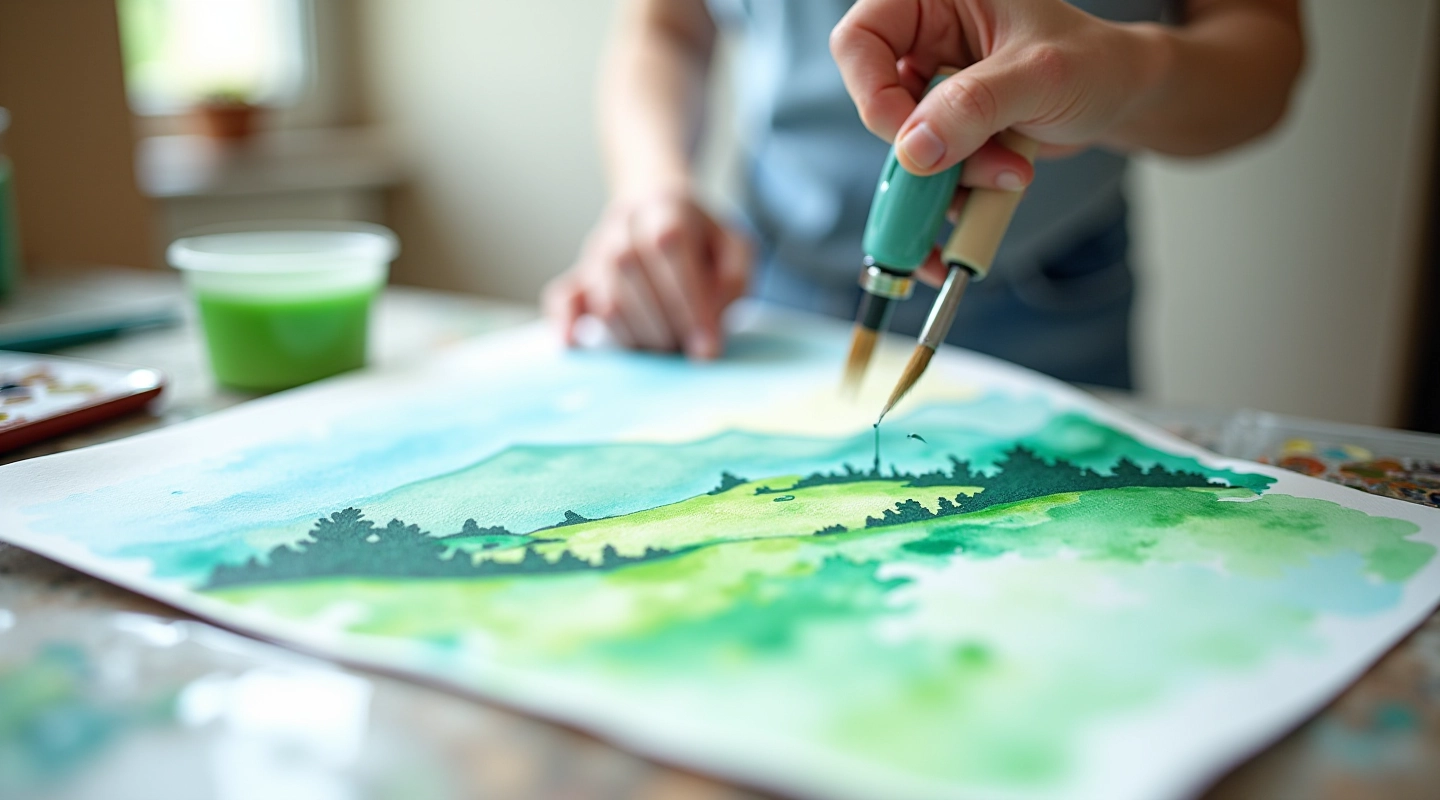
Beautiful watercolour landscape painting demonstrating wet technique and atmospheric depth
Our Beginning

How We Started Teaching

Founded on Practicality

Trenfeld s.r.o. began in 2021 with a simple observation: most beginner watercolour courses skip the fundamentals. They jump straight to finished paintings without teaching colour mixing or how to actually control water on paper. We started because we wanted something different. We're focused on the real basics that make the difference between muddy paintings and vibrant ones.

Rooted in Moravian Landscape

Brno sits at the heart of stunning countryside. Rolling hills, distinctive tree formations, dramatic seasonal light — it's all around us. We don't just teach abstract techniques. We teach students to paint what they see. Our location isn't coincidental. It's central to how we work. Students paint on location when conditions allow, learning directly from the landscapes that inspire them.

Building Genuine Skill

We've learned that beginner artists don't need inspiring talks about potential. They need clear instruction and honest feedback. We've built our approach around that principle. Each student gets guidance on technique, feedback on their progress, and practical exercises designed to build confidence. The goal isn't quick results — it's real understanding.

What We Cover

Core Skills We Teach

Our courses are built around the techniques that actually matter for landscape painting. We're not interested in shortcuts or quick fixes.

Colour Mixing

Mixing greens that don't look muddy. Understanding warm and cool colour relationships. Creating natural earth tones. We spend real time on this because it's foundational. You'll learn why certain colour combinations work and others don't.

Water Control

Watercolour is about water, not paint. We teach you to work with it, not against it. Wet-on-wet technique, layering, transparency, lifting colour. These aren't complicated concepts, but they need hands-on practice.

Landscape Composition

How to arrange elements so your painting draws the eye where you want it to go. Foreground, middle ground, background. Horizon placement. We break down composition so it makes sense in practice, not theory.

Atmospheric Perspective

Making distant hills look distant. Using colour and value to create depth. This is what separates flat paintings from ones with real dimension. We show you exactly how to achieve it.

Quick Sketching

Capturing the essence of a scene before starting to paint. Value sketches, compositional studies, pencil prep work. We're not creating finished drawings, but quick references that guide your painting.

Visual Observation

Learning to really see. How light falls. What colours actually appear in shadows. Why a tree doesn't have a black outline. Training your eye is as important as training your hand.

Our Method

How We Approach Teaching

We're not interested in theory for its own sake. Every technique we teach connects directly to what you'll do when you're actually painting. If we're talking about atmospheric depth, we show you exactly how to mix the colours and apply them. If we're discussing composition, you're working through it on your own paper.

Small groups matter. We keep classes intimate so everyone gets attention. When someone's struggling with their washes, we can spend time on it. When another student's progressing faster, we can push them further. That flexibility is what makes real learning possible.

Beginner doesn't mean you can't paint well. It means you're new to the practice. We've seen students produce genuinely beautiful work within weeks. But it requires focus, clear instruction, and honest feedback. We don't sugarcoat mistakes — we show you exactly what happened and how to fix it next time.

Trenfeld s.r.o. values consistency. We don't constantly change approaches based on trends. We've refined what works, and we stick with it. That consistency means you're learning from an established methodology, not experimental teaching.

Well-organized watercolour artist workspace showing brushes, palettes, and materials
Learning Path

Your Progress Through Our Courses

We've structured our teaching so each stage builds on the previous one. You're not jumping between random topics.

1

Foundations First

We start with materials, basic brush technique, and water control. You'll spend time mixing colours, understanding how pigments behave, and getting comfortable with the medium itself. This isn't rushed. It's essential.

2

Simple Landscapes

Once the basics are solid, we move to painting basic landscapes. Simple scenes with clear foreground, middle ground, and sky. You're learning composition while practising your new skills. These aren't complicated paintings, but they're structured.

3

Adding Complexity

You'll tackle scenes with more elements — trees, water, varied terrain. Atmospheric perspective gets introduced here. You're learning how to create depth and guide the viewer's eye through more complex compositions.

4

Personal Direction

By this stage, you've got the tools. We work with what interests you specifically. Some students want to focus on dramatic skies. Others are fascinated by water reflections. We tailor the final stages to your interests while maintaining technical standards.

Important Information

Our educational content is designed to provide valuable instruction and practical knowledge in watercolour landscape painting. However, individual learning outcomes depend on many factors including personal dedication, prior experience, practice frequency, and personal artistic development. The materials we provide are for informational and educational purposes and should complement, not replace, direct instruction from qualified teachers when applicable. Success and skill development vary from person to person based on individual effort and circumstances. We encourage all students to engage actively with the material and seek guidance when needed.